
Land & Acreage
Land.
What it is, what it allows, who built it.
Raw land, hunting tracts, timber acreage, and build-to-suit parcels across Albemarle County and the surrounding Virginia Piedmont. Conor Murray represents buyers through the full diligence — soil maps, easement status, road frontage, water, mineral rights.
Land & Acreage
Land for sale in Albemarle County and the Virginia Piedmont
Land buying in central Virginia is fundamentally different from buying a residence. The questions are different — what does the soil tell you, what does the easement allow, where's the water, who has access — and the diligence is longer. Most land transactions Conor represents take 60-120 days from offer to close.
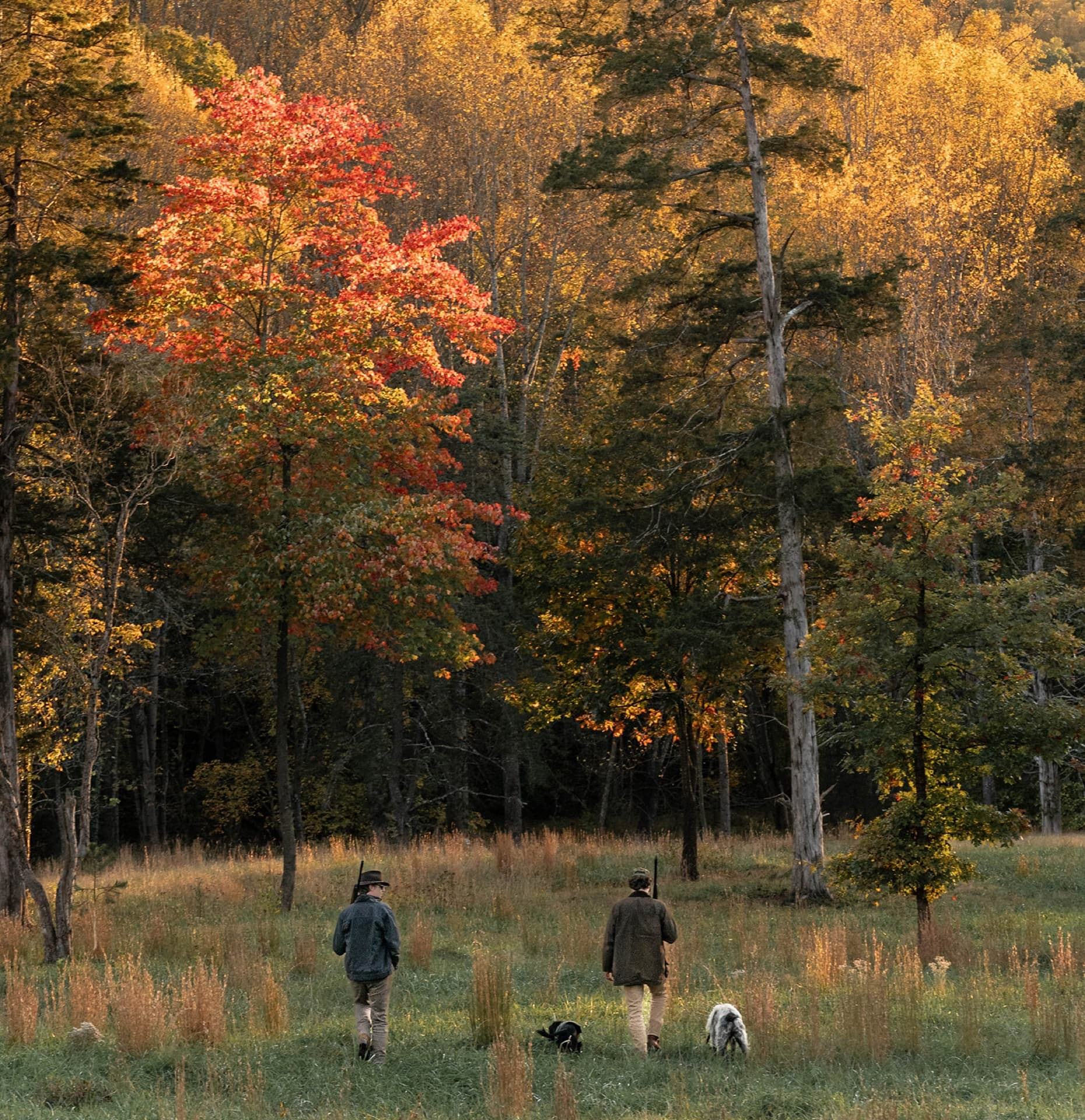
There are four functional categories of land Conor represents in the Albemarle / Piedmont market: hunting tracts (forested, often with a lodge or hunt cabin, valued on game density and stand placement), timber tracts (managed forestland with a forester's report and a harvest schedule), buildable estate parcels (cleared or selectively cleared land with a residential building right, soil approval for septic, and existing well or proven yield), and conservation-eased land (land where the development rights have been retired and the value proposition is the protection itself plus any remaining building rights).
Common diligence steps before closing: pulling the soil maps from the NRCS Web Soil Survey, confirming any easement on file with Albemarle County and VOF, verifying access via either public road frontage or a recorded right-of-way, getting a well drilled (or yield-tested if existing), septic perc test, mineral rights review (often severed on older parcels), and a title commitment that reflects all of the above.
Buyer Diligence
What to check before you sign.
Easement review
VOF, ACE, private trust, or none. What rights remain (building, subdivision, agricultural use)?
Soil + perc
USDA NRCS Web Soil Survey for soil classifications. State-certified perc test for septic suitability.
Water — well + yield
Existing well + yield test (gallons/minute), or hydrologist's assessment for new well siting.
Access + frontage
Public road frontage (state route, county road) vs. private easement access. Recorded right-of-way deed.
Mineral + timber rights
Often severed in older Virginia deeds. Confirm what conveys. Timber rights may be held by a previous owner under a 10-year contract.
Zoning + density
Albemarle County zoning (Rural Areas, Light Industrial, etc.) + permitted density. Whether subdivision is allowed and how many lots.
Building rights
Specific to easement parcels — how many residential structures may be built, what size, and on what location envelopes.
Tax assessment + use value
Land enrolled in Virginia's Use Value Assessment program pays reduced property tax. Confirm enrollment and rollback risk if use changes.
Common Features
What we see most often.
- ·Conservation easement protection (often)
- ·Existing forester's management plan
- ·Stream, spring, or pond frontage
- ·Public road frontage or recorded ROW
- ·Survey on file (or required pre-close)
- ·Open Space tax assessment enrolled
Primary Geography
Where this category lives.
- ·Albemarle County (all)
- ·Nelson County
- ·Greene County
- ·Madison County
- ·Augusta County (Blue Ridge sides)
- ·Orange County
FAQ
Frequently asked — land
Yes. Albemarle County maintains an active inventory of land parcels for sale, ranging from sub-5-acre buildable lots to multi-hundred-acre conservation-eased estates. Inventory tends to be tight because many land transfers in this market happen privately, between neighbors or within families. Conor Murray maintains relationships with landowners across the county and can often source parcels before they hit the public market.
Per-acre pricing varies enormously by parcel type and protection status. Conservation-eased land in remote areas of Albemarle has transacted under $5,000/acre. Buildable estate parcels with mountain views and proximity to Charlottesville routinely transact at $20,000-$50,000+/acre. Smaller, sub-25-acre buildable lots near Charlottesville can exceed $100,000+/acre. The right way to think about pricing is per-parcel — including the value of any structures, easements, and water — not per-acre alone.
Sometimes. Most conservation easements reserve a limited number of residential building rights at the time the easement is granted — typically one to three depending on parcel size and the original easement terms. Some easements reserve zero building rights, in which case the land cannot be improved with new structures. We pull the easement deed and confirm exact terms before showings.
If you plan to build a residence, yes. Albemarle County's rural areas are not served by public water or sewer; every property requires a well for water and a septic system for waste. Before buying raw land for residential development, get a state-certified perc test confirming septic suitability and ideally drill a well or hydrologist-assess water availability. Both can be conditions of the purchase contract.
Sometimes meaningfully so. A 100-acre tract of well-managed hardwood timber in central Virginia can carry $50,000-$200,000+ of standing timber value depending on species, age, and access. Ask for the forester's management plan (or pay for an independent timber cruise) before closing if timber is a material part of the value. Note: timber rights are sometimes severed and conveyed separately — confirm with title work.
Explore by Category
Other country property categories.
Considering a property in this category?
Pre-market and off-market work is most of what we do. Start with a private conversation.