
Farms by County
Albemarle County
Working farms, country estates, protected land.
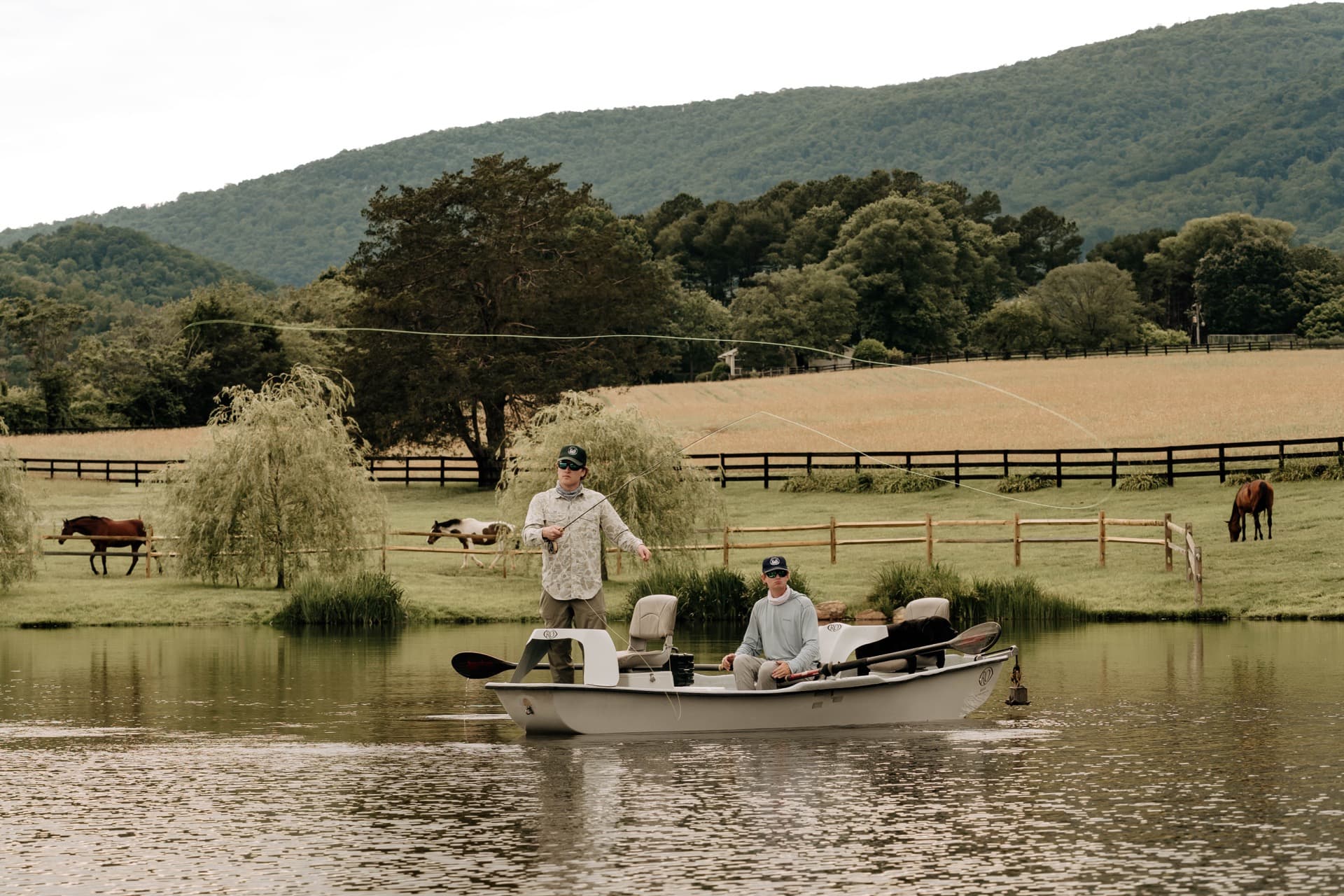
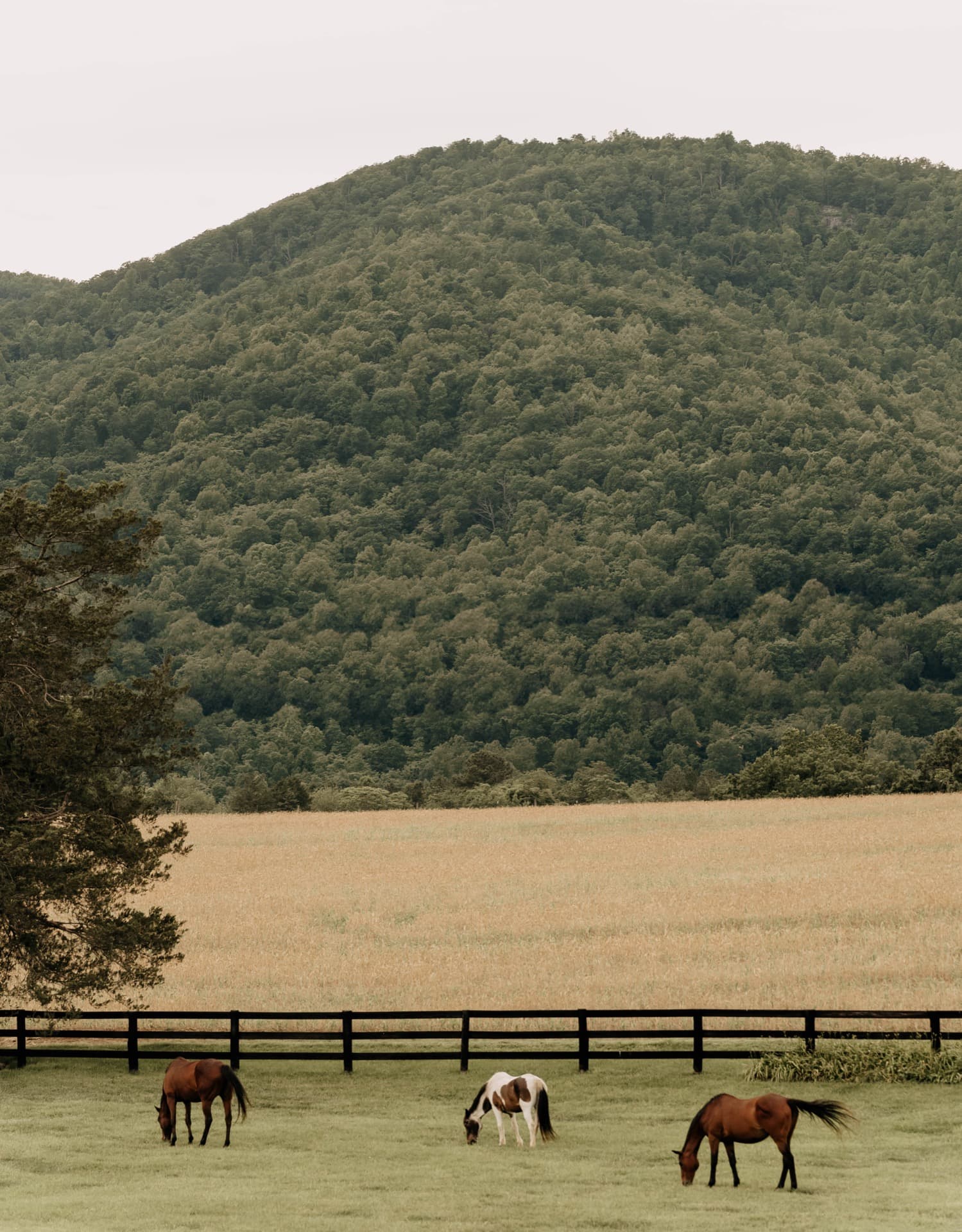
Conor Murray represents farm and land buyers and sellers across Albemarle County — from working cattle and hay farms in the Western Albemarle valleys to easement-protected estate parcels near Keswick and Free Union.
Farms by County
Farms for sale in Albemarle County, Virginia
Albemarle County contains more farmland under permanent conservation easement than almost any county in Virginia. Most farm transactions here are not transactional in the conventional sense — they're transfers between neighbors, often informed by easement obligations and decades of stewardship.
Albemarle County has roughly 720 square miles of land, of which a meaningful portion is rural or working agricultural land. The County's Acquisition of Conservation Easements (ACE) Program has protected thousands of acres of farmland and forest since the early 2000s — and the Virginia Outdoors Foundation (VOF) holds easements on tens of thousands of additional acres across the county.
Buyers acquiring Albemarle farmland are typically purchasing one of four asset types: (1) a working farm (cattle, hay, vineyard, orchard) on 50-300 acres with a residence, (2) an estate parcel with rolling pasture and accessory structures suited for personal use plus seasonal agricultural activity, (3) raw land for sub-division or build-to-suit (rare on protected parcels), or (4) a conservation-easement-protected estate where the land use restrictions are central to the value proposition.
Sellers in Albemarle should expect a longer marketing window than the city market — typical days on market for $1M+ farm properties tracks 60-180 days. The buyer pool is national but specific: Northern Virginia equestrian buyers, second-home owners from the mid-Atlantic, vineyard investors, and the occasional out-of-state family relocating to UVA orbits.
The Data
Albemarle County by the numbers.
Albemarle County · Q1 2026
The Q1 snapshot.
$550K
Median Sale Price
+1.7% YoY
232
Closed Sales
−11.5% YoY
396
Active Listings
+21.1% YoY
3.2
Months of Supply
+0.6 vs Q1 2025
Conservation Coverage
24.9% of Albemarle's rural area is already under permanent easement.
Roughly 109,900 acres protected. The county's by-right development area is less than 5% of total landmass.
Free Union (22940) · Per-Sqft Trend
When estate country trades, it trades at the top.
Free Union sales are thin-volume; per-square-foot is the durable signal.
Buyer Diligence
What to check before you sign.
Easement status
Is the parcel under VOF, ACE, or private easement? What are the exact restrictions on subdivision, structures, and use?
Water rights
Springs, ponds, streams, wells. Yield in dry years. Riparian rights. Existing irrigation infrastructure.
Soil + grazing capacity
USDA NRCS soil maps. Pasture quality, drainage, slope. Animal units per acre.
Outbuildings
Condition of barns, equipment sheds, run-in sheds. Are they served by power, water, and septic?
Septic + well
Age, capacity, and recent inspection records. Important for any structure with bedrooms.
Mineral rights
Often severed in older deeds. Confirm what conveys.
Access + frontage
Public road frontage vs. private easement access. Recorded right-of-way agreements.
Property taxes + use value
Many farms qualify for Virginia's Use Value Assessment — significant property tax reduction. Confirm enrollment and rollback obligations.
Common Features
What we see most often.
- ·Conservation easements (VOF, ACE, private)
- ·Mountain views (Blue Ridge or SW Mountains)
- ·Active or recently-active hay/cattle/pasture
- ·Historic farmhouse + outbuildings
- ·Multiple parcels under common ownership
- ·Existing farm leases (tenant farmer or hay lease)
Primary Geography
Where this category lives.
- ·Western Albemarle
- ·Keswick / Cobham
- ·Free Union
- ·Crozet outskirts
- ·Earlysville
- ·Greenwood
- ·Batesville
- ·Esmont

FAQ
Frequently asked — albemarle county farms
Albemarle County farm prices vary widely by acreage, improvements, easement status, and proximity to Charlottesville. Working farms on 50-150 acres with a residence typically transact in the $1.5M-$4M range. Larger estate farms (200-500+ acres) with significant improvements or in prime hunt-club country can exceed $5M-$10M. Smaller hobby farms and equestrian parcels under 25 acres often start under $1M. Conor Murray tracks active listings and recent comparables continuously — reach out for the current market read.
Albemarle County has more land under permanent conservation easement than almost any other county in Virginia. Easements are held by a combination of the Virginia Outdoors Foundation (VOF), the County's own ACE program, the Albemarle Conservation Easement Authority, and private land trusts including the Piedmont Environmental Council. The exact total acreage updates annually — see the County's open data + VOF's annual report for current figures.
Possibly. Most easements allow a limited number of residential building rights reserved at the time of the easement, plus accessory agricultural structures. Whether you can build depends on the specific easement deed and which rights remain. We always pull the easement record before showings on protected parcels.
Functionally and contractually they're similar real-estate transactions, but the diligence is different. A working farm requires evaluating soil, water, grazing capacity, leases, equipment, and ongoing agricultural use. An estate property is typically about the residence + grounds + view, with the agricultural component secondary or absent. The price-per-acre logic is also different — working farms are valued on income and use; estates are valued on lifestyle and location.
For anything over ~25 acres, yes. A residential agent who works primarily on $400-700k homes is unlikely to know the easement nuances, the well/septic diligence, the soil maps, or the local hay/cattle lease conventions. Conor Murray is one of a small group of Charlottesville-area agents who specializes in farms, estates, and land — that's the practice.
Explore by Category
Other country property categories.
Considering a property in this category?
Pre-market and off-market work is most of what we do. Start with a private conversation.